

Your information source for all things fencing, siding, and roofing -- and more.


-


Why Fences Fall in a Canadian Winter, and How to Build One That Stands
Every spring, Canadian yards are dotted with leaning posts and blown-out panels. Snow gets the blame, but wind is the quieter culprit, and what decides whether a fence is still standing in April is less about the material you see than the engineering you don't. Here's why fences fall in winter, and how to build one that stands.
-


Fall Fence Installation in Canada: Beat the Freeze
Every Canadian fence project races one hard deadline: the day the ground freezes. Set your posts before then and your fence stands straight for decades; miss it and you're waiting until spring. Here's how to beat the freeze this fall, how late is too late, why fall is actually a great time to build, and why a metal kit goes up fastest before the cold sets in.
-


Aluminum vs. Steel Fencing for Coastal Canada
From Vancouver Island's Pacific salt air to the Maritime coast, Canadian shoreline weather hits a fence with salt and hard freeze-thaw at once. Aluminum never rusts, coated steel is the affordable coastal workhorse, and marine 316 stainless is built for the waterline. Here's how they compare, and how to choose for your stretch of coast.
-


Hog Wire vs. Chain Link: A Better Fence for 2026
Chain link has been the default budget fence for decades: quick to install and instantly recognizable, but built for the bare minimum. If you want the same practicality with far better strength, security, and looks, hog wire is the upgrade worth making. Here's how the two compare, and why 6-gauge welded hog wire outlasts and outclasses a chain link fence.
-


Will Cattle Panels Keep Pigs In? An Honest 2026 Guide
Cattle panels look tough, but pigs root, push, and test every inch of a fence. Whether panels actually hold them comes down to wire gauge, bottom opening size, and how you install them. Here's the honest breakdown for 2026, plus why 6-gauge, galvanized-after-welding panels outlast the feed-store stuff.
-


The Canadian Guide to Chain Link Fencing
Chain link has been the default budget fence for decades, affordable, strong enough, quick to install. If you want the same practicality with far better looks and a longer life, though, hog wire is the upgrade worth making. Here's how the two compare, and why 6-gauge welded hog wire outlasts and outclasses a chain link fence.
-


Metal Pool Privacy Fence Ideas for 2026
The right privacy fence turns a pool into a private retreat. Metal fencing brings durability, modern looks, and low maintenance that wood can't match around chlorine, salt, and constant moisture. Here are pool privacy fence ideas for 2026, from corrugated and ribbed steel to aluminum, plus the safety, cost, and code details that matter.
-


Industrial Chic Fencing: A Guide to Unframed Corrugated Metal Sheets
Unframed corrugated metal sheets deliver the industrial chic look, exposed corrugation, visible fasteners, deliberate rawness, but only if the panel quality holds up with nothing to hide behind. Here's how to nail the aesthetic: specs, design tips, real 2026 costs, and installation.
-


The Case for a Black Metal and Cedar Fence
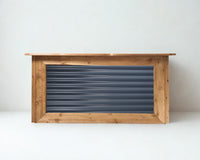
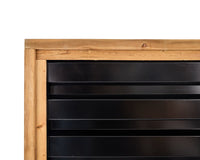
Black corrugated metal framed in western red cedar has become one of the most requested fence looks in Canada, and it's not just about style. Here's why the pairing works: the design contrast that makes it pop, and the durability, a non-combustible steel core plus naturally rot-resistant cedar, that makes it last.
-


How to Put Up Wire Mesh Fencing That Lasts
Got the panels? Now for the parts list. Here's what you actually use to put up wire mesh fencing, from posts and fasteners to tools and frost-depth footings, plus the panel spec that keeps your attachment points solid for decades.
-


Hog Wire vs. Stainless Deck Railing: The Canadian Cost Case
Searching "stainless steel deck railing near me"? Before you pay stainless prices, see how 6-gauge galvanized hog wire railing delivers the same open, modern look for a fraction of the cost, plus when true 316 marine-grade is actually worth it for Canadian decks.
-


Framed Hog Wire: The Open Fence for Patios and Decks
Wood framing with hog wire panels is the look defining Canadian patios and decks right now: open sightlines, airflow, and a boundary that doesn't box you in. Here's how to plan the layout, choose the frame wood, budget it, and pick a panel that won't rust at the welds.


Let customers speak for us
Great service, reliable and we love our new fence

The panels are tough Like!!!

I especially appreciated the protective sheets provided to ensure that the sheets I purchased weren't scratched or damaged during loading and transport
We purchased the wire fence panels with a custom size. The product exceeded our expectations and was very solid and looked amazing. The customer service from this company is outstanding. From the person taking the order to the yard crew to the delivery guys. We would not hesitate to buy again and have recommended them to our friends. We get so many compliments.
Data delivery and quality product

We have a landscaping business and ordered from Barrierboss for a customer that wanted a larger garden area. Could not be more pleased with the quality. It takes awhile to get the product, but our customer stated "it was worth the wait"- also the delivery driver completely went out of his way to walk all pieces up our driveway as we were not home and we didn't want it at the end of driveway. He was great! Will be ordering from them again!
Worked great

Excellent product!

Great company. Awesome product and customer support.
Provided additional custom cut panel lengths from 6 feet to 9 feet for fence sections over 6 feet tall.
Have been dealing with barrier boss for two years now and they are THE best out there worldwide! Just excellent quality of material, and great communication. Looking forward to continuing business with them
The fence was everything we wanted to enhance our home.
The Panels were very easy to install:
1) dig 2 post holes
2) level the fence panel horizontal
3) drop one post into the hole
4) attach the panel to the first post and brace it level vertical
5) install the second post and brace the section
6) keep going and then pour concrete into each post hole.
I like the fencepost that came with metal and wood panels they are a good match.
I am confident that the order i am waiting for will be a close match also. I have recommended barrier boss to my friends who live in the kootenays.
Great product and service
We replaced a 30 year old fence with the corrugated metal fence. It made the cedar hedging look much greener and it is nice to look at. It was quite easy to install. I am patiently waiting for the next order to be delivered so we can finish it off.
